Making your home more eco-friendly and energy-efficient doesn’t have to be complicated or expensive. Small changes can have a big impact on reducing your carbon footprint, lowering energy bills, and creating a healthier living environment. Here are some simple and practical ways you can transform your home into a greener space, starting today.
Why Choose an Eco-Friendly, Energy-Efficient Home?
Switching to eco-friendly and energy-efficient habits benefits both the planet and your wallet. By using less energy and resources, you decrease greenhouse gas emissions and help conserve natural supplies. At the same time, energy-efficient homes often have lower utility costs and increased comfort.
Starting with the Basics: Smart Energy Use
1. Switch to Energy-Efficient Lighting
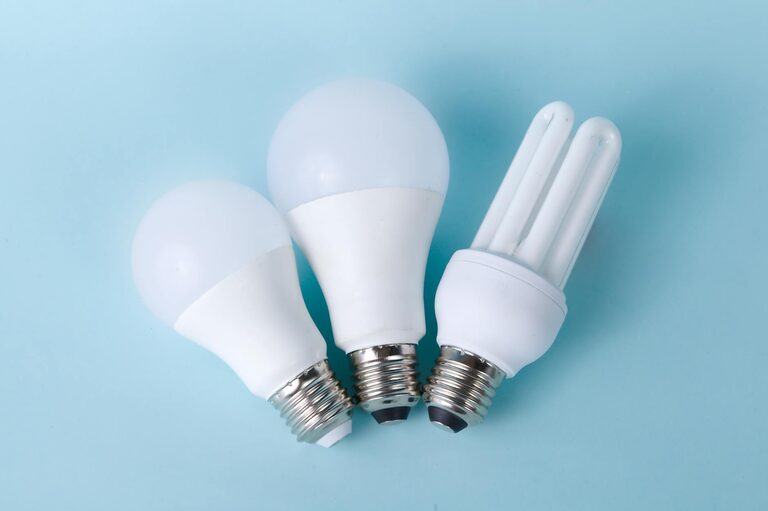
Replacing traditional incandescent bulbs with energy-saving alternatives like LED or CFL bulbs is one of the easiest ways to cut energy use. LEDs use up to 80% less electricity and last much longer, saving money and reducing waste.
2. Use Smart Power Strips and Unplug Devices
Many devices continue to consume power even when turned off. To stop this ‘phantom’ energy waste, use smart power strips that cut off electricity when appliances aren’t in use. Alternatively, unplug chargers, TVs, and other electronics when you don’t need them.
3. Optimise Thermostat Settings
Lowering your heating by just 1°C in winter, and raising the thermostat slightly in summer, can significantly reduce energy consumption. Consider installing a programmable or smart thermostat to automatically adjust temperatures when you’re asleep or away.
Improving Your Home’s Insulation and Efficiency
4. Insulate Doors and Windows
Heat loss mainly happens through windows and doors. Adding weatherstripping, draught excluders, or thick curtains can keep warm air inside during winter and cool air in during summer. These simple fixes improve comfort and reduce heating or cooling demands.
5. Upgrade to Double or Triple Glazing
If your budget allows, installing energy-efficient double or triple glazed windows provides better insulation, noise reduction, and may lower condensation problems. This upgrade pays off over time with energy savings.
6. Insulate Your Loft and Walls
Heat rises, so insulating your loft is one of the most cost-effective ways to improve energy efficiency. Also, consider cavity wall insulation or solid wall insulation if applicable. Proper insulation maintains indoor temperature and reduces heating bills.
Save Water and Reduce Waste
7. Install Water-Saving Devices
Fitting low-flow showerheads, taps, and dual-flush toilets helps lower water consumption without sacrificing convenience. Reducing hot water use also cuts energy used to heat water.
8. Collect Rainwater for Outdoor Use
Using a water butt to collect rainwater can reduce your use of potable water for gardening or cleaning the exterior of your home, helping conserve water resources.
9. Practice Waste Reduction and Recycling
Sort your waste carefully into recycling, compost, and general rubbish bins. Composting food scraps and garden waste reduces landfill contribution and produces valuable nutrients for your plants.
Appliances and Renewable Energy
10. Choose Energy-Efficient Appliances
When it’s time to replace household appliances like fridges, washing machines, or dishwashers, select those with high energy ratings (A+++ or similar). Energy-efficient appliances consume less electricity and water.
11. Consider Solar Panels or Renewable Energy Providers
If possible, installing solar panels is a fantastic way to generate your own clean energy and reduce reliance on fossil fuels. Alternatively, many energy suppliers offer green electricity tariffs sourced from renewable power.
Lifestyle Changes That Make a Difference
12. Reduce Heating and Cooling Demand
Wear appropriate clothing indoors rather than turning up the heating, and use fans or natural ventilation during warmer months instead of air conditioning where possible.
13. Make the Most of Natural Light
Open curtains and blinds during the day to reduce the need for artificial lighting. Position workspaces near windows to maximise daylight.
14. Maintain Your Heating and Cooling Systems
Regularly servicing boilers, heaters, and air conditioning units ensures they operate efficiently, reducing unnecessary energy waste.
Final Thoughts
Making your home more eco-friendly and energy-efficient is a journey, not a one-time task. Start with the simple strategies above and gradually explore bigger changes like insulation upgrades or renewable energy installations when you’re ready. Each step contributes to a healthier planet and a more comfortable, cost-effective home for you and your family.
By adopting these practices, you’re not only saving money but also setting a positive example for others in your community. Greener living is within reach – and every action counts!
About the Author