
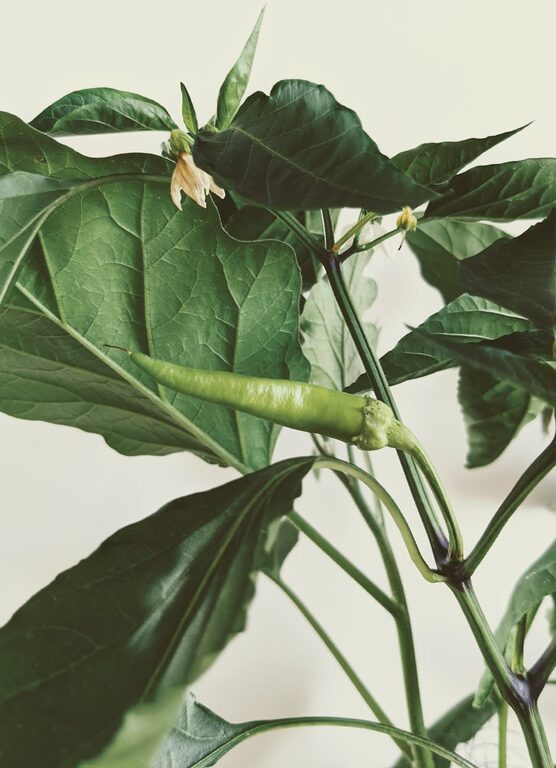
Creating a nutritious and colourful vegetable garden at home is not only rewarding but also a wonderful way to enjoy fresh produce all year round. With a bit of planning and care, you can transform even a small patch of land or some containers on your balcony into a thriving garden full of diverse vegetables that nourish your body and please your eyes.
In this post, we’ll walk through essential tips covering everything from choosing the right vegetables to garden design and maintenance, helping you grow a vibrant vegetable garden that supports a healthy lifestyle.
Planning Your Vegetable Garden
Choose the Right Location
Start by selecting a spot that receives plenty of sunlight—most vegetables need at least 6 hours of direct sun each day. Ensure the soil drains well and is free from heavy shade. If ground space is limited, consider raised beds or containers, which can fit on patios or balconies.
Select a Variety of Vegetables
Aim for a colourful mix of vegetables to boost the nutritional value of your harvest and create a visually appealing garden. Combining leafy greens, root vegetables, peppers, tomatoes, and beans gives variety in vitamins, minerals, and antioxidants.
Some colourful, nutritious vegetables to consider:
– Leafy Greens: spinach, kale, Swiss chard
– Root Vegetables: carrots, beetroots, radishes
– Peppers: red, yellow, orange varieties
– Tomatoes: cherry, heirloom, various colours
– Beans and Peas: green beans, purple podded peas
Consider Growing Seasons and Spacing
Understand the growing seasons for your chosen vegetables to plan succession planting and maximise production. Check seed packets or local growing guides for specific information on sowing times and spacing requirements to avoid overcrowding.
Preparing the Soil
Test and Amend Soil
Healthy soil is the foundation of a nutritious vegetable garden. Test your soil’s pH and nutrient levels using a simple home testing kit or send a sample to a local extension service. Most vegetables prefer slightly acidic to neutral soil (pH 6.0–7.0).
Add organic matter such as garden compost or well-rotted manure to improve soil texture, fertility, and moisture retention. Avoid synthetic fertilisers if you want a natural and chemical-free harvest.
Mulching
Apply a layer of organic mulch—like straw, shredded leaves, or grass clippings—to help retain moisture, regulate soil temperature, and suppress weeds. Mulching also encourages beneficial soil organisms.
Planting and Care
Start with Quality Seeds or Seedlings
Choose reputable seed suppliers or nurseries to ensure you get healthy, disease-free plants. Starting from seed can save money and allows you to access a wider range of vegetable varieties, though seedlings offer quicker results.
Watering Wisely
Consistent watering is key to growing healthy vegetables. Water deeply at the base of plants in the early morning or late afternoon to reduce evaporation. Avoid wetting the foliage excessively to prevent fungal diseases.
Support and Prune
Some vegetables like tomatoes and beans will need stakes, cages, or trellises for support to keep plants upright and promote air circulation. Regularly pinch off dead or yellowing leaves and prune to encourage strong growth.
Creating a Colourful Garden Design
Combine Colours and Textures
Mix vegetables of different colours, shapes, and heights to make your garden attractive. For example, plant purple kale next to bright orange carrots, or bright red peppers near deep green lettuce.
Incorporate Companion Planting
Certain plants grow well together and can help deter pests or improve flavour. Examples include basil near tomatoes, nasturtiums to attract beneficial insects, and onions planted alongside carrots.
Use Containers and Raised Beds
Raised beds can help define your growing spaces and improve soil conditions. Containers and window boxes offer flexibility and can be moved to catch more sunlight.
Harvesting and Enjoying Your Garden
Harvest at the Right Time
Pick vegetables when they are ripe but still tender. This is usually before they become over-mature or tough. Frequent harvesting often encourages plants to produce more.
Store and Use Your Vegetables
Immediately after harvesting, wash and store your vegetables properly to maintain freshness. Use your produce in colourful, nutritious meals to enjoy the rewards of your garden.
Troubleshooting Common Issues
Pests and Diseases
Keep an eye out for common pests like aphids, slugs, and caterpillars. Use organic pest control methods like handpicking, introducing beneficial insects, or neem oil sprays if necessary.
Nutrient Deficiencies
Yellowing leaves, stunted growth, or poor yields can indicate a lack of nutrients. Regularly add compost and monitor plant health to adjust feeding.
—
By following these tips, you’ll be on your way to growing a thriving vegetable garden that’s not only rich in nutrients but also a delightful splash of colour in your home. Gardening is a learning process, so enjoy experimenting and watching your plants flourish!
About the Author