Creating a calming and productive home office environment is essential for maintaining focus and well-being, especially as many people continue to work remotely or in hybrid settings. A well-designed workspace not only enhances your efficiency but also promotes a sense of calm that can reduce stress throughout the day.
In this post, we’ll explore practical tips to help you design a home office that supports both productivity and relaxation.
Choose the Right Location
Your workspace location sets the tone for your workday. Ideally, pick a spot in your home with plenty of natural light, as this has been shown to improve mood and energy levels.
– Avoid high-traffic or noisy areas to minimise distractions.
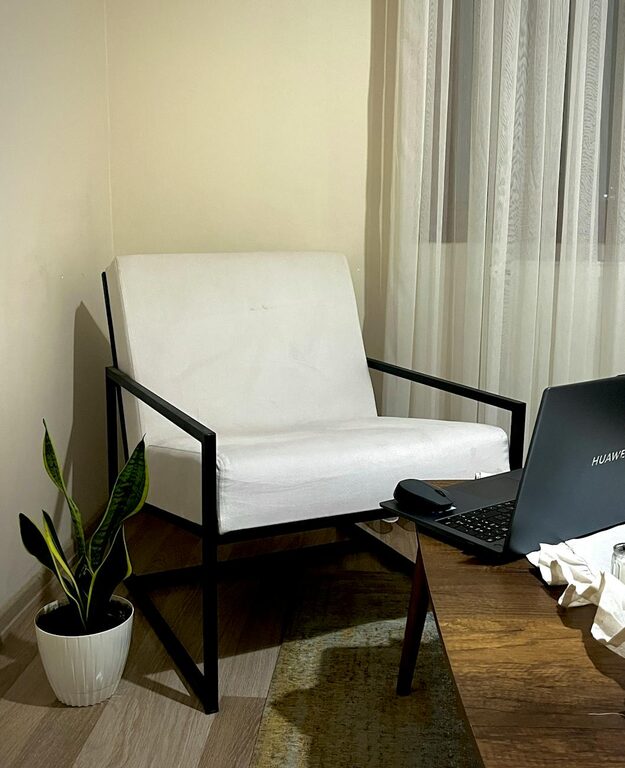
– If space is limited, a corner of a quiet room or even a well-organised nook can work well.
– Consider proximity to power outlets and wifi connectivity.
Invest in Comfortable and Ergonomic Furniture
Comfort directly influences your ability to concentrate and be productive. When selecting furniture, consider ergonomics:
– Choose a chair with good lumbar support to protect your back.
– Opt for a desk at the right height to prevent strain on your wrists and shoulders.
– Adjustable furniture allows you to vary your posture, which is beneficial throughout the day.
Organise Your Space for Efficiency
A clutter-free environment reduces stress and helps maintain focus.
– Use shelves, drawers, and organisers to keep supplies orderly.
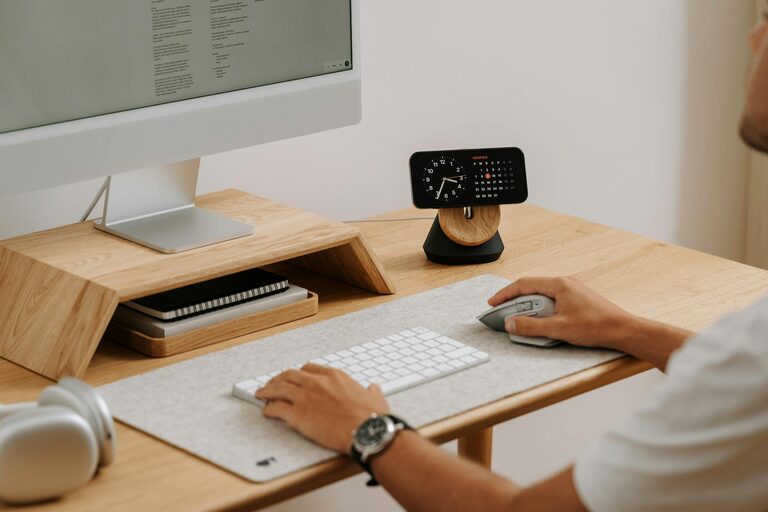
– Keep only essential items on your desk to avoid distractions.
– Implement storage solutions that make finding files and equipment easy.
Select Calming Colours and Decor
Colours can profoundly affect mood and productivity. Consider these choices:
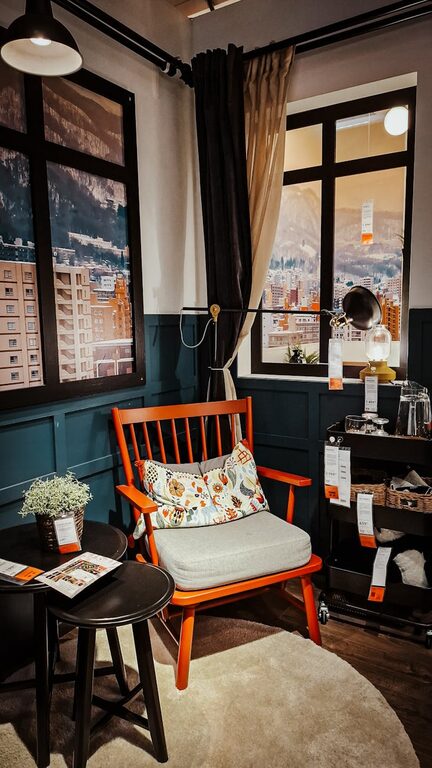
– Soft blues and greens are known to have a calming effect.
– Neutral tones like beige or soft grey create a peaceful background.
– Add plants to bring nature indoors; they improve air quality and can boost your mood.
Control Lighting
Good lighting is key to reducing eye strain and maintaining alertness.
– Maximise natural light during the day but use blinds or curtains to control glare.
– Include a desk lamp with adjustable brightness and colour temperature.
– Avoid harsh fluorescent lights; instead, opt for warm, soft lighting when possible.
Minimise Noise and Distractions
Noise can disrupt focus, so it’s important to manage sound levels in your workspace.
– Use noise-cancelling headphones if you can’t control the environment.
– Consider soundproofing options like rugs, heavy curtains, or acoustic panels.
– Keep your phone on silent or in another room during focused work periods.
Incorporate Personal Touches Mindfully
Adding personal items can make your workspace pleasant without cluttering it.
– Display a favourite photo or a piece of artwork.
– Choose items that inspire or motivate you but keep them minimal.
– Change decorations seasonally to keep the environment fresh and engaging.
Establish Clear Boundaries Between Work and Home
To maintain a work-life balance, setting boundaries is vital.
– Use your home office space only for work during working hours to condition your brain for focus.
– At the end of the day, tidy your desk to signal the end of work.
– If possible, close the door or create a visual indicator that work is paused.
Incorporate Break Zones and Movement
Taking breaks improves productivity and reduces fatigue.
– If space allows, have an area nearby for stretching or relaxation.
– Consider a standing desk or a desk converter to alternate between sitting and standing.
– Schedule short pauses to move or breathe deeply.
Utilise Technology Wisely
Technology can support your productivity when used appropriately.
– Use apps or tools to manage your tasks and calendar efficiently.
– Keep your devices charged and cables neatly organised to avoid distractions.
– Limit social media and other non-essential notifications during work hours.
Maintain Cleanliness and Fresh Air
A clean space is inviting and easier to focus in.
– Regularly dust and clean your workspace to avoid allergens.
– Open windows to let in fresh air when possible.
– Use air purifiers if the air quality in your home is poor.
—
By thoughtfully arranging your home office using these tips, you can create a space that encourages calmness and boosts productivity. Remember, your workspace should work for you—tailor it to fit your personal needs and preferences for the best results.
About the Author