Working from home has become a common practice, and having a productive home office can make all the difference in your workday. Creating a space that encourages focus, comfort, and efficiency doesn’t have to be complicated. Whether you have a dedicated room or a small corner, these tips will help you design a home office environment where you can do your best work.
1. Choose the Right Location
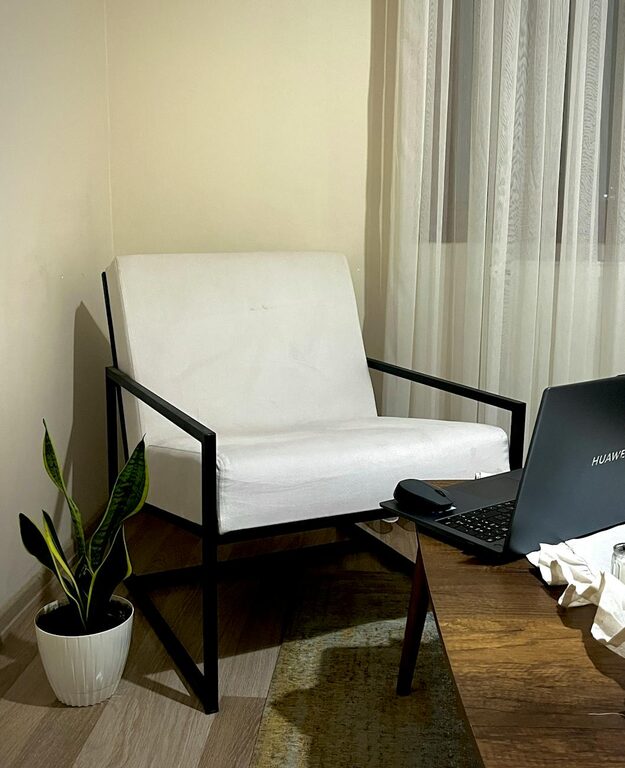
Finding the right spot for your home office is the first step. Ideally, you want a quiet area with minimal distractions. If possible, select a room away from busy household activities or loud areas. Natural light is a bonus, so try to position your desk near a window to brighten your workspace and help improve your mood.
If space is limited, consider a corner of a living room or bedroom. Use room dividers or a simple screen to create a defined area for work, helping your mind switch into ‘work mode’ more easily.
2. Invest in Comfortable and Functional Furniture
Working comfortably is key. Choose an ergonomic chair that supports good posture and prevents back pain during long hours. Your desk should be the right height so you can work without strain.
– Desk: Opt for a spacious desk that holds your computer, accessories, and any paperwork.
– Chair: Look for adjustable chairs with good lumbar support.
– Storage: Use shelves, drawers, or filing cabinets to keep your office organised and clutter-free.
Remember, a good setup reduces fatigue and keeps you focused throughout the day.
3. Set Up Proper Lighting
Good lighting reduces eye strain and boosts productivity. Here’s what to consider:
– Natural light: Use daylight whenever possible.
– Task lighting: Add a desk lamp with adjustable brightness for focused tasks.
– Avoid glare: Position screens to avoid reflections, and use blinds or curtains to control sunlight.
Combining natural and artificial light creates a balanced, comfortable workspace.
4. Minimise Distractions
Home offices can be full of distractions, so it’s important to manage them:
– Noise: Use noise-cancelling headphones or white noise machines to block out background sounds.
– Digital distractions: Turn off non-essential app notifications during work hours.
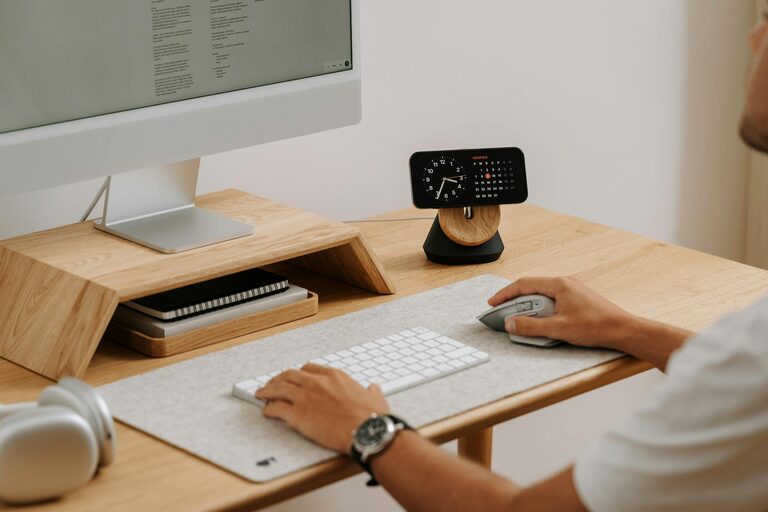
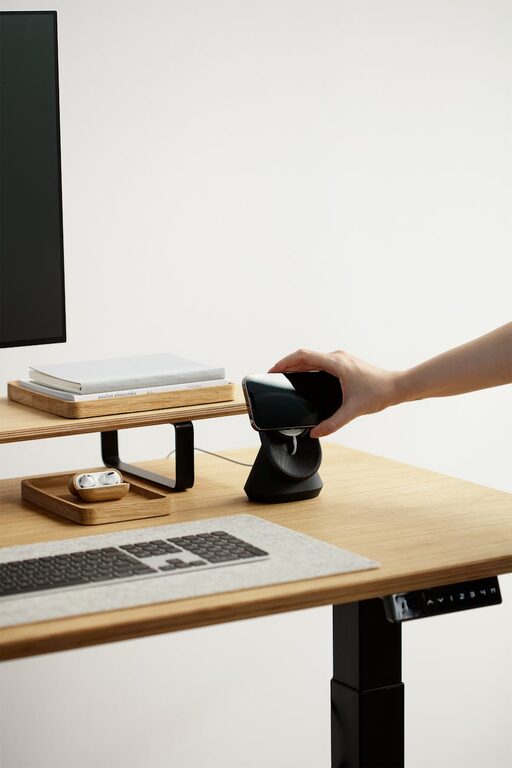
– Visual clutter: Keep your desk tidy and only keep items you need on it.
Setting boundaries with family or housemates about your work hours also helps maintain focus.
5. Personalise Your Space
Adding a personal touch can make your workspace feel welcoming, which can increase motivation:
– Bring in plants – they improve air quality and add a splash of nature.
– Hang inspiring artwork or photos.
– Use colourful stationery or accessories.
Find a balance between personal items and professional tidiness to keep your space both lively and functional.
6. Keep Technology Organised and Efficient
Your devices are vital for productivity, so keep them in top shape:
– Ensure your computer and internet connection are reliable.
– Arrange cables neatly with clips or cable organisers.
– Use a quality headset or microphone if you often have virtual meetings.
Consider investing in a second monitor if your work requires multitasking or detailed work.
7. Maintain a Routine and Clean Environment
A clean workspace is a productive workspace. Make it a habit to:
– Tidy your desk at the end of each day.
– Empty trash and recycle regularly.
– Schedule short ‘reset’ breaks to stretch and refresh.
Besides physical cleaning, establish a work routine with set start and finish times to help maintain a healthy work-life balance.
8. Use Organisational Tools
Staying organised reduces stress and saves time:
– Use planners or digital calendars to keep track of deadlines and meetings.
– Label drawers or folders for easy access to supplies and documents.
– Keep frequently used items within arm’s reach.
Apps for task management can also help prioritise your workload effectively.
Conclusion
Crafting a productive home office environment is about combining comfort, organisation, and personal touches. With a suitable location, ergonomic furniture, good lighting, and minimal distractions, you’ll create a space that supports your best work. Remember to maintain your setup regularly and stick to a work routine for long-term benefits. Your home office should be a place where you feel motivated, focused, and ready to succeed.
About the Author