Creating a home workspace that is both relaxing and productive can make a significant difference to how you feel and perform throughout the day. Whether you’re working from home full-time or just need a dedicated area for occasional tasks, the environment you create influences your mood, focus, and efficiency. In this post, we’ll explore practical tips to help you design a workspace that promotes calmness while keeping you motivated.
Why a Relaxing Workspace Matters
A cluttered, noisy, or uncomfortable workspace can lead to distraction, stress, and reduced productivity. Conversely, a relaxing environment helps you stay calm, think clearly, and complete tasks more effectively. When your workspace is inviting and well-organised, you’re more likely to enjoy your work and maintain a healthy balance between work and home life.
—
Choose the Right Location
Find a Quiet Spot
Select a space in your home that is relatively quiet and free from frequent interruptions. If possible, avoid high-traffic areas such as the kitchen or living room. A quiet corner or spare room can be ideal.
Consider Natural Light
Natural light can boost mood and alertness. Position your desk near a window to take advantage of daylight. Be mindful of glare on your screen and use blinds or curtains to control brightness when necessary.
—
Invest in Comfortable and Functional Furniture
Ergonomic Chair and Desk
Comfort is essential for long working hours. Invest in an ergonomic chair that supports your back and encourages good posture. Choose a desk at the right height to prevent strain on your wrists and shoulders.
Keep Essentials Within Reach
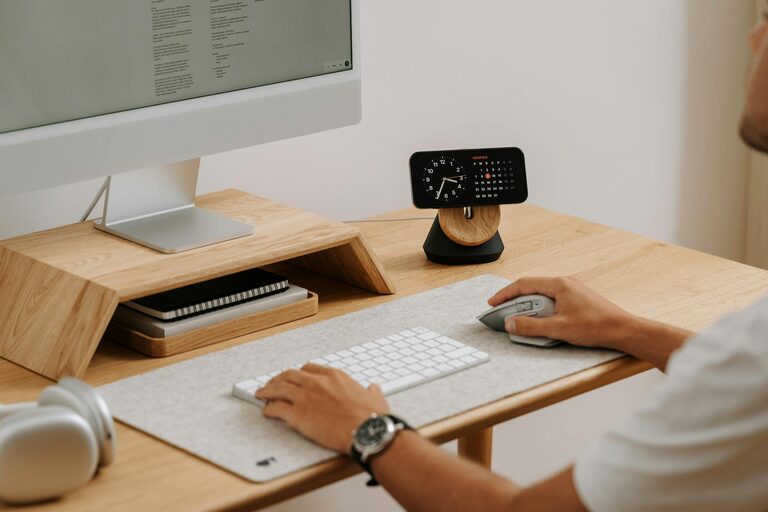
Arrange your desk so that frequently used items—such as your computer, notepads, and pens—are easily accessible. This reduces unnecessary movement and keeps your workspace organised.
—
Declutter and Organise
Clear the Surface
A tidy desk reduces distractions and helps your mind focus. Only keep essential items on the desk surface. Store everything else in drawers or organisers.
Use Storage Solutions
Drawer organisers, shelves, and filing cabinets help keep papers and supplies neat. Label boxes or folders to find items quickly and maintain order.
—
Personalise Your Space Thoughtfully
Add Calming Colours
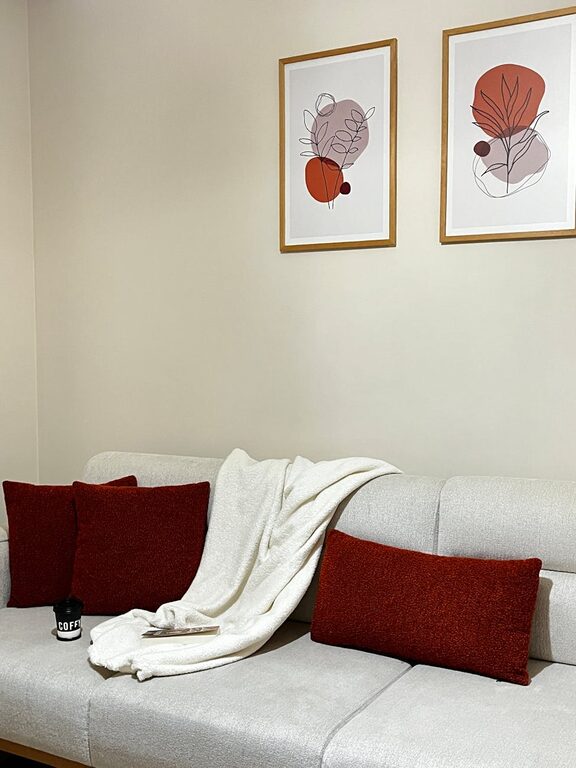
Colours impact mood. Soft, neutral tones like blues, greens, or pastels create a soothing atmosphere. Avoid overly bright or harsh colours that can cause eye strain or agitation.
Include Natural Elements
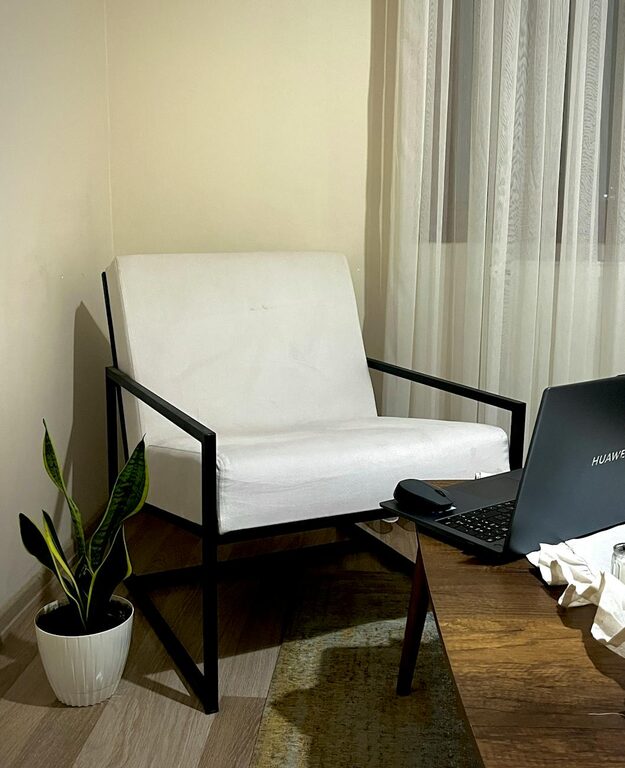
Bringing nature indoors can reduce stress. Add a small plant or a vase of fresh flowers. Natural materials such as wooden furniture or stone accessories also create a grounding effect.
—
Optimise Lighting for Comfort and Focus
Combine Natural and Artificial Lighting
While natural light is preferable, it’s important to have good artificial lighting as well. Desk lamps with adjustable brightness help reduce eye strain, especially in the evenings.
Avoid Harsh Overhead Lights
Soften harsh ceiling lights by using bulbs with warm tones or covering them with diffusers, which make the light easier on your eyes.
—
Minimise Noise Distractions
Use Noise-Cancelling Headphones
If you cannot find a quiet space, noise-cancelling headphones can help block out background noise and improve concentration.
Play Soothing Background Sounds
Some people find soft instrumental music or nature sounds helpful to create a relaxing atmosphere. Experiment to see what works best for you.
—
Incorporate Break and Movement Spaces
Allow Room for Stretching or Movement
Your workspace should encourage movement to avoid stiffness. Keep some space for stretching or short exercises during breaks.
Schedule Regular Breaks
Set reminders to stand up, stretch, or walk around every hour. Brief breaks refresh your mind and body, enhancing productivity.
—
Maintain a Healthy Work-Life Balance
Set Boundaries for Work Time
Define clear start and finish times for work. When the workday ends, step away from your workspace to mentally recharge.
Keep Work and Leisure Areas Separate
Avoid working from your bed or sofa. A dedicated workspace signals to your brain when it’s time to work and when it’s time to relax.
—
Final Thoughts
Creating a relaxing home workspace isn’t just about aesthetics—it’s about building a functional environment that supports your wellbeing and efficiency. By paying attention to location, comfort, organisation, lighting, and noise control, you can boost your productivity while feeling calm and focused.
Remember, your home workspace should reflect your personal needs and preferences. Experiment with different setups until you find what helps you work best.
With these tips, you can transform any corner of your home into a productive and peaceful place where you enjoy spending your work hours.
About the Author